

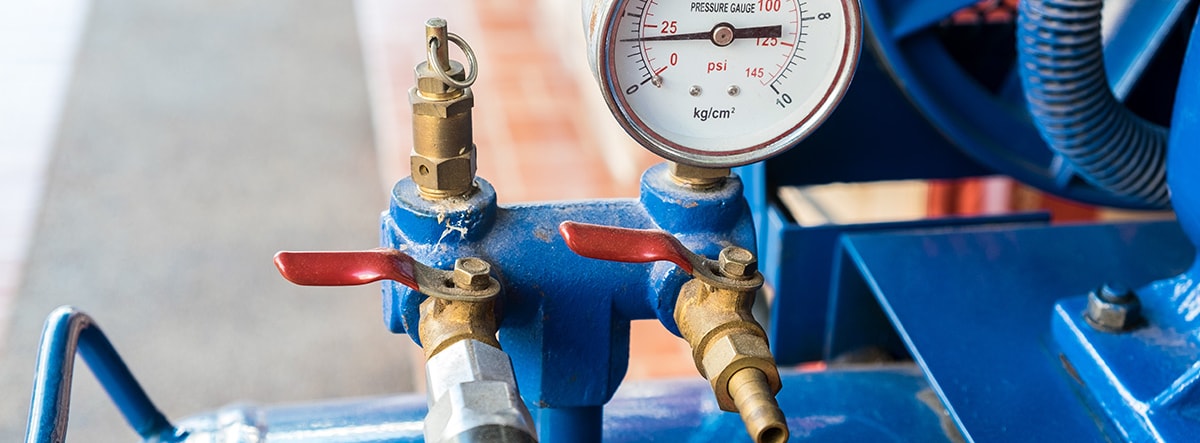
Are you looking to purchase a rotary screw compressor? If so, you’ve come to the right place. This buyer’s guide will help you decide which type of rotary screw compressor is the best fit for your project or business.
Rotary screw compressors are an important piece of industrial machinery that are used to compress air for various applications. They are a popular choice because of their high efficiency and low maintenance requirements. But with so many different types and models of rotary screw compressors available, it can be difficult to decide which one is right for you. In this guide, we’ll discuss the different factors to consider when choosing a rotary screw compressor and provide some tips to help you make the right decision.
1. Consider Your Application
Contents
The first step in selecting a rotary screw compressor is to consider the application for which you’ll be using it. Different types of rotary screw compressors are designed for different types of applications. For example, some are designed for general-purpose air compression, while others are designed for specific tasks like paint sprayers or sandblasting.
Additionally, consider the type of environment in which the compressor will be operating. Some compressors are designed to operate in extreme temperatures, while others are designed to be used indoors.
2. Determine Your Power Needs
The next step is to determine the power requirements of your compressor. Different models of rotary screw compressors have different power ratings, so you’ll need to determine the amount of power you need to complete your project or task.
Additionally, consider the type of power source you’ll be using for the compressor. Some compressors are designed to run on electricity, while others are designed to run on gas or diesel.
3. Factor in Maintenance and Service Requirements
When selecting a rotary screw compressor, it’s important to consider the maintenance and service requirements of the model. Different models may require more frequent maintenance or repairs than others, so you’ll need to determine which type best meets your needs.
Additionally, consider how easy the compressor is to service. Some models are designed to be serviced by the user, while others require professional service.
4. Compare Prices
Once you’ve narrowed down your options, it’s time to compare prices. Different models may have different prices, so it’s important to compare prices to ensure you’re getting the best deal.
Additionally, consider any additional costs associated with the rotary screw compressor. These may include installation costs, shipping costs, and any additional parts or accessories you may need.
Conclusion
Selecting the right rotary screw compressor for your project or business doesn’t have to be difficult. By following the steps outlined in this guide, you can be sure to select the perfect rotary screw compressor for your needs. Consider your application, determine your power needs, factor in maintenance and service requirements, and compare prices to ensure you make the best decision.