

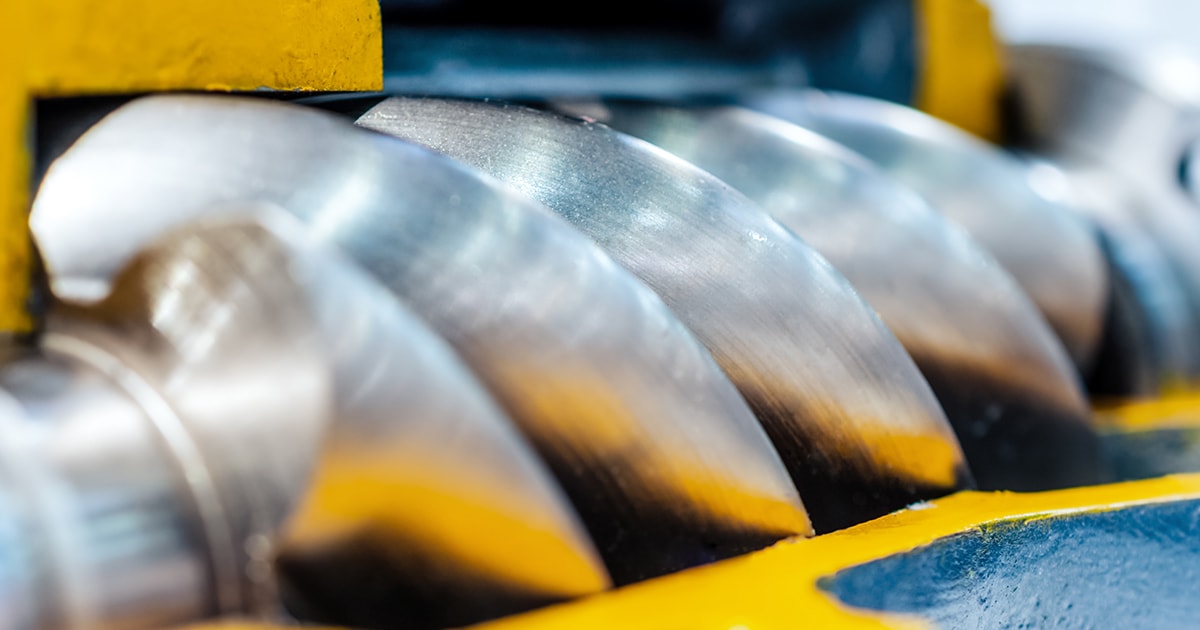
Air compressors are an important tool for many industrial and commercial applications. They are used to power pneumatic tools, inflate tires, and provide air pressure for a variety of tasks. Air compressors provide a great deal of convenience, but how do they work? In this article, we will explore the basics of air compressors and how they work.
What is an Air Compressor?
An air compressor is a device that converts power (usually from an electric motor, a diesel engine, or a gasoline engine) into potential energy stored in pressurized air. The air compressor compresses the air, increasing its temperature and pressure, and then stores the air in a pressure vessel.
How Does an Air Compressor Work?
1. Intake: The air compressor starts by drawing in atmospheric air, which is the air that surrounds us. The intake valve opens, and the atmospheric air is drawn in and compressed by the compression chamber.
2. Compression: During the compression stage, the air is heated up and compressed. This is done by forcing the air through a set of pistons, valves, and cylinders. The pistons move up and down in the cylinder, compressing the air inside.
3. Expansion: As the air is compressed, its temperature and pressure increase. The compressed air then flows through a valve, which opens and allows the air to expand. This lowers the temperature and pressure of the compressed air.
4. Storage: The air is then stored in a pressure vessel, where it is ready to be used for a variety of tasks.
Conclusion
Air compressors are an important tool for many industrial and commercial applications. They are used to power pneumatic tools, inflate tires, and provide air pressure for a variety of tasks. Understanding the basics of how air compressors work can be helpful in selecting the right air compressor for your needs.